Walking, cycling, creative hobbies, staycation: the leisure activities of the French create a landscape that is much more varied than the classic duo of sports and series. What hobbies should one choose when they really want to disconnect without traveling far or blowing their budget? To answer this, we need to look at how usage is distributed between outdoor activities, indoor activities, and hybrid practices, and especially measure what each category contributes in terms of real disconnection.
Outdoor, indoor, and creative hobbies: a comparative table of usage
The leisure market is reshaping around three main poles: outdoor activities, indoor activities (cultural or digital), and creative hobbies. Each pole meets different needs in terms of budget, proximity, and the ability to disconnect from daily life.
| Category | Common Examples | Average Budget | Travel Required | Level of Disconnection |
|---|---|---|---|---|
| Outdoor / sports | Walking, cycling, hiking, canoeing | Low to moderate | Close (park, forest, lake) | High |
| Cultural indoor | Museum visits, heritage, exhibitions | Moderate | Variable (city, village) | Medium |
| Creative / manual | Pottery, sewing, watercolor, cooking | Low | At home or local workshop | High |
| Digital / screen | Streaming, video games, social media | Low (subscription) | None | Low |
Outdoor activities and creative hobbies share a common point that digital activities do not offer: they disconnect from the screen flow without requiring a high budget. Outdoor sports largely dominate the practices, with walking at the forefront, followed by cycling and running.
To explore other options based on your desires, the hobbies offered on Scoopium cover a wide range of activities, from outdoor to manual workshops.
Outdoor sports and nature: why walking and cycling dominate
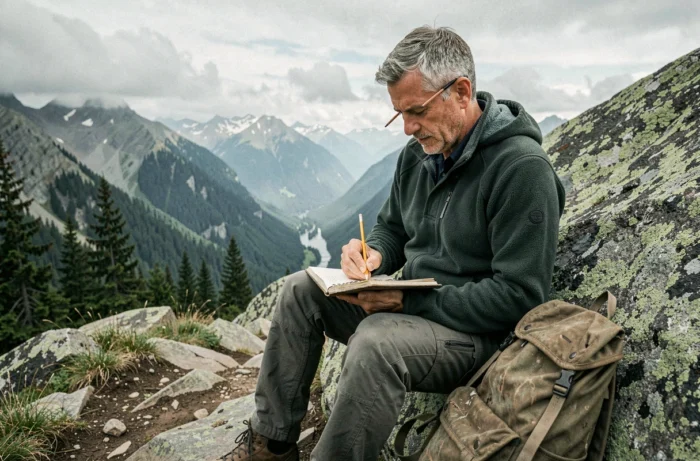
Outdoor sports are no longer just a weekend habit. They have established themselves as a permanent societal need, practiced both during the week and on holidays. Walking ranks first among practices, far ahead of other disciplines, followed by cycling and running.
This trio has a common advantage: an almost zero entry cost. No subscription, no reservation. A trail in the forest, a municipal bike path, or a lake accessible on foot is all that’s needed.
The choice of destination guided by activity
Vacationers are increasingly choosing their destination based on the activities available on site, rather than the other way around. Hiking, cycling, canoeing, climbing: the activity now precedes the location. This shift changes how rural, coastal, and mountain areas position themselves to attract visitors.
This phenomenon directly benefits local stays. People are no longer looking for a beach six hours away, but a lake or forest within an hour, with a program of activities suitable for families or groups of friends.
Creative hobbies for adults: a rapidly growing sector
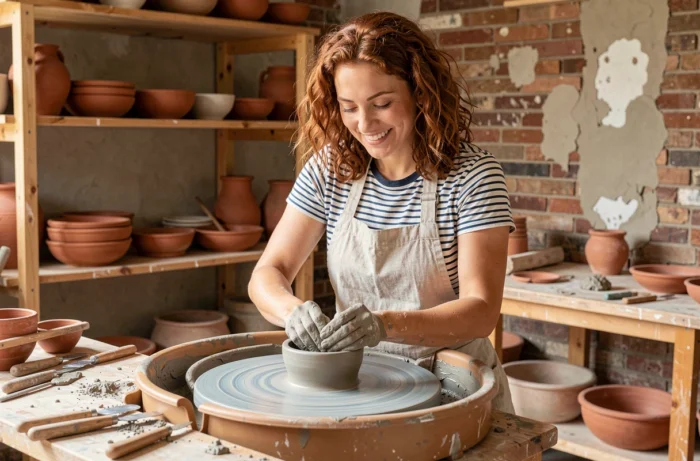
General lists of hobbies often overlook a significant trend: creative hobbies for adults are gaining ground as a response to a search for expression, relaxation, and hands-on experiences. Pottery, watercolor, embroidery, woodworking, creative cooking: these practices are moving away from the childlike framework they were once associated with.
Their main advantage for those wanting to disconnect without traveling far or spending much: they can be practiced at home or in a local workshop, engage the hands rather than the screen, and produce a tangible result.
- Pottery and ceramics are attracting a growing adult audience, with workshops multiplying in both urban and rural areas.
- Watercolor and drawing can be practiced with very accessible materials, without the need for dedicated space.
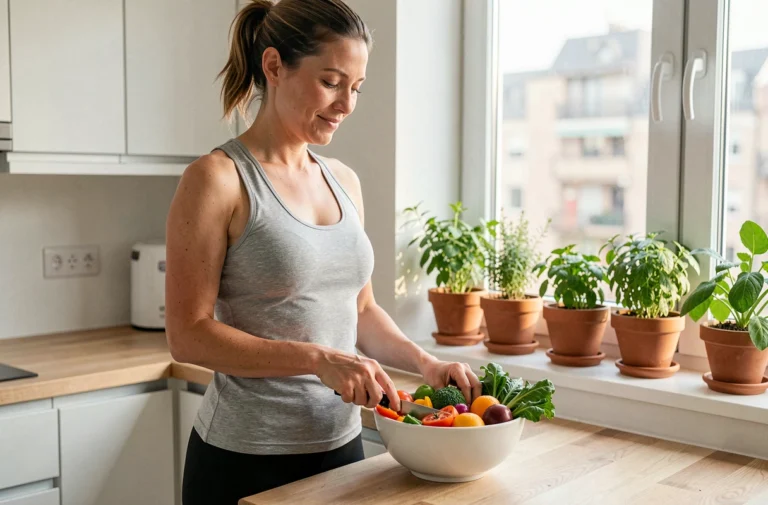
- Creative cooking (fermentation, pastry, world cuisine) combines learning, sensory pleasure, and sharing.
The common point of these activities: they require manual concentration that makes checking the phone physically incompatible. This is a more reliable factor for disconnection than mere willpower.
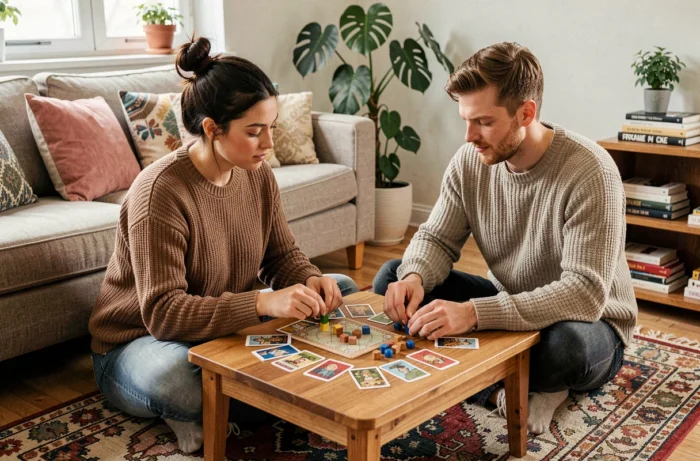
Staycation and local stays: disconnecting without traveling far
Staycation, meaning a vacation at home or in the immediate vicinity, remains a strong trend. The preference for France and for rural, coastal, or mountain destinations is confirmed among those who do not wish to travel far.
This vacation format works even better when combined with the outdoor and creative activities already mentioned. Rather than filling an entire week with tourist visits, staycation allows for alternating active days and voluntary downtime.
What distinguishes a true time of disconnection
The criterion is not the distance traveled, but the break from daily digital habits. Three elements make the difference:
- Choosing an activity that engages the body or hands (hiking, cycling, manual workshop) rather than a passive leisure activity in front of a screen.
- Favoring an accessible natural environment, even modest (suburban forest, lakeside, regional park).
- Limiting the schedule: two or three activities per day maximum, with unplanned time between each.
Camping, for example, remains a pillar of French tourism and illustrates this logic well: natural setting, controlled budget, low screen usage.
Hybrid hobbies and local practices: the recomposition of free time
The leisure market is no longer divided into watertight categories. Hybrid practices, mixing outdoor and cultural or creative dimensions, are multiplying. Heritage walks by bike, family nature workshops, visits to historical sites combined with a hike: local leisure becomes a composite experience.
This recomposition favors areas that offer a network of varied activities within a limited perimeter. For both children and adults, the richness of free time depends less on the number of available activities than on their complementarity.
The clear conclusion from these trends is: real disconnection comes from activities that engage the body or hands, in a natural or artisanal setting accessible without long travel. Budget is no longer the main barrier. It is the choice of the type of activity, much more than the choice of destination, that determines the quality of free time.