What leisure activities truly occupy the free time of the French, and which ones are gaining ground against traditional activities? With the rise of independent outdoor practices, the explosion of thrill-seeking experiences, and the resurgence of hiking, the landscape of leisure is transforming. This article compares the major categories of activities based on their accessibility, cost, and adaptability to different audiences.
Outdoor Leisure vs. Indoor Activities: What Trends Reveal
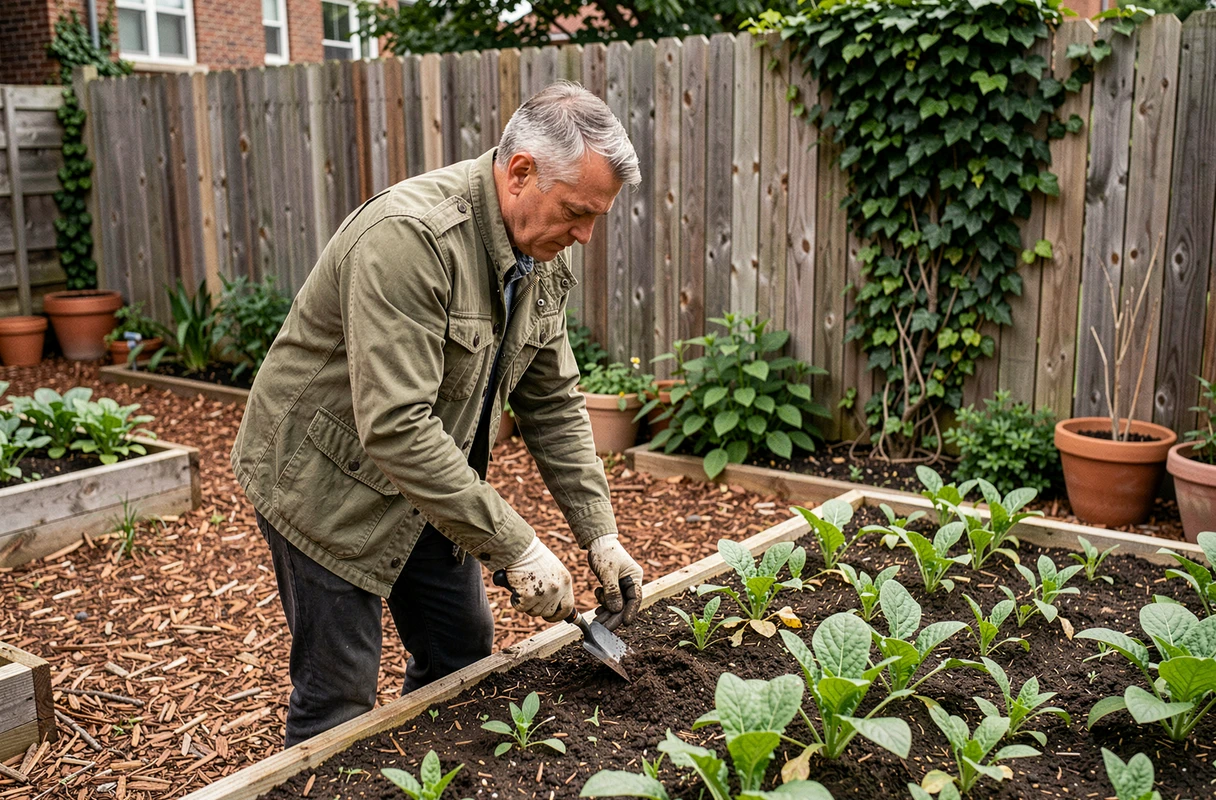
Outdoor practices are progressing faster than organized indoor leisure. Hiking attracts a new generation of participants, with a steadily growing base since 2021. Running, cycling, outdoor yoga, and autonomous fitness follow the same trajectory.
In contrast, indoor activities like escape games, creative workshops, or group classes maintain a loyal audience, particularly in urban areas. The difference often lies in the format: unstructured and non-reserved leisure is more appealing than fixed-time organized slots.
| Type of Leisure | Entry Cost | Solo Practice Possible | Family Friendly |
|---|---|---|---|
| Hiking | Low (basic equipment) | Yes | Yes |
| Running / Cycling | Low to Moderate | Yes | Variable |
| Escape Game | Moderate (per person, per session) | No | Yes (from a certain age) |
| Creative Workshop (pottery, painting) | Moderate | Yes | Yes |
| Thrill-Seeking Experiences | High | Variable | Limited (minimum age) |
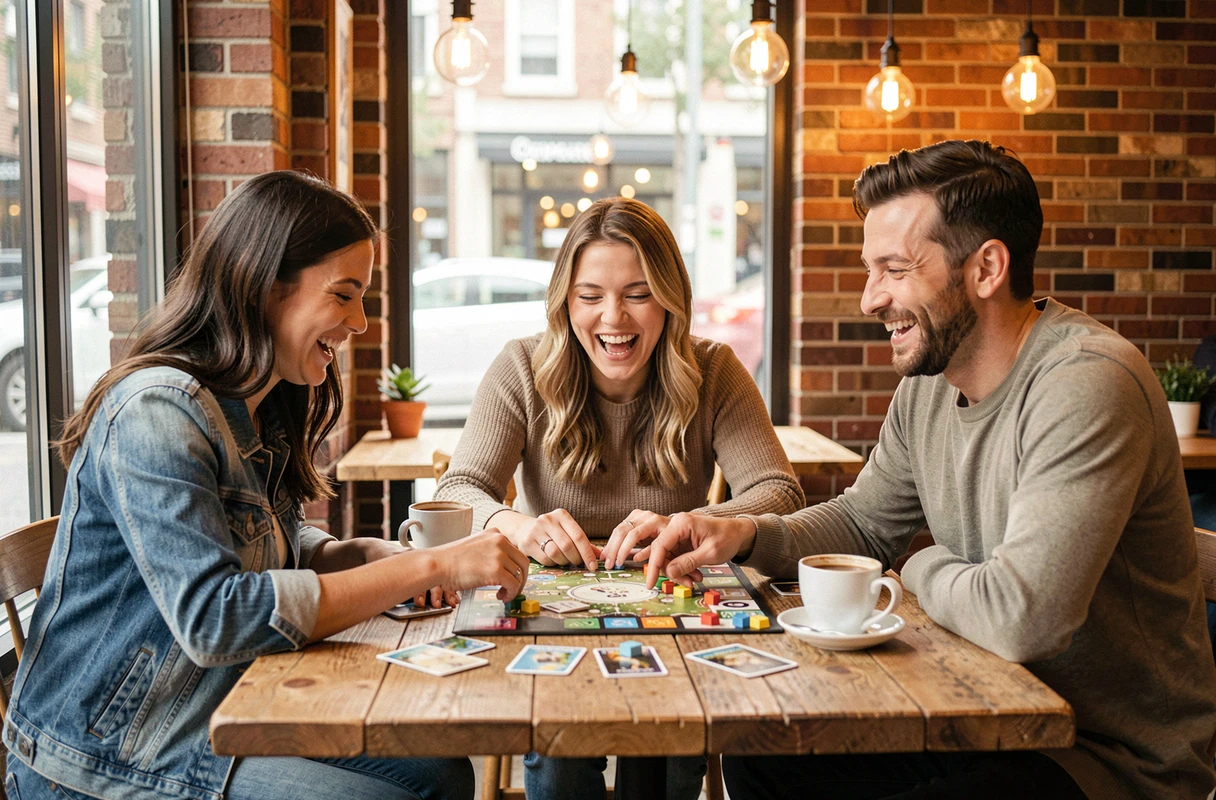
| Board Games / Treasure Hunts | Low | No | Yes |
This table highlights a clear gap: outdoor activities combine financial accessibility and flexibility, whereas organized experiences require a more substantial budget and prior planning. To explore other avenues, leisure on Blog Introduction covers a range of categories useful for reflection.
Thrill-Seeking Experiences in France: An Expanding Segment
France ranks among the top four global destinations for thrill-seeking experiences, according to TF1 Info. This positioning is not limited to traditional amusement parks. It includes bungee jumping, paragliding, via ferrata, and treetop adventure courses.
This segment attracts an audience seeking adrenaline, not regularity. A one-time budget is often allocated, typically during vacations or special events. The typical profile: adults aged 25 to 45, in pairs or small groups.
Why These Activities Remain a Niche Leisure
The cost per session far exceeds that of a hike or a workshop. Geographic accessibility also plays a role: paragliding or bungee jumping sites are concentrated in mountainous or coastal areas. For families with children, minimum age restrictions further limit options.
Conversely, urban treasure hunts or outdoor investigation games offer a dose of adventure at a lower cost, without strict age limits. Short and local formats capture an increasing share of family demand.
Creative Leisure and Workshops: The Learning Criterion
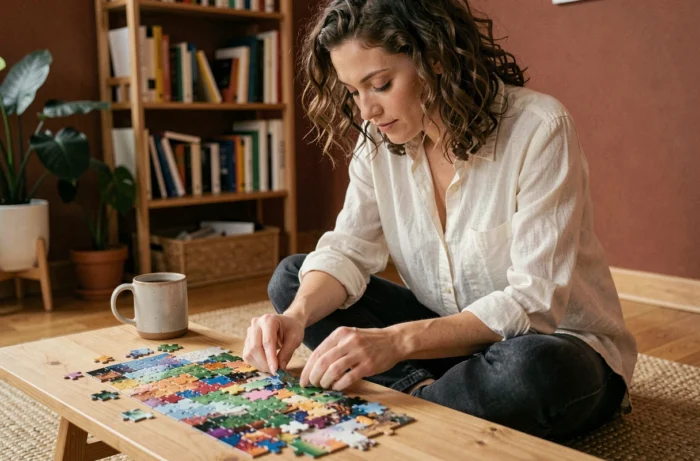
Pottery, painting, sewing, diamond painting, writing: manual creative workshops are multiplying, driven by the search for digital disconnection. The common thread of these activities is the learning curve. Progress is tangible, session after session.
A creative workshop generates a concrete result, distinguishing it from passive consumption leisure like video streaming. This factor partly explains participant loyalty: the desire to finish a project brings them back to the next class.
- Pottery and ceramics workshops: accessible without experience, offered in most major cities, with a moderate cost per session
- Themed cooking classes: inherently social leisure, suitable for groups of friends or couples, with an immediate result (the dish of the day)
- Embroidery, crochet, and needlework: low-cost leisure, practicable at home, making a strong comeback among those under 35
Segmentation by Audience: Teenagers, Children, and Adults Seek Different Things
Generic leisure lists rarely address the issue of age. Recent selections show an increasing segmentation of offerings, with formats designed for teenagers (escape games, urban sports like skateboarding or parkour) and others tailored for children (treasure hunts, supervised manual workshops).
A leisure activity suited to the practitioner’s age is more likely to be repeated. A free painting workshop works for a 6-year-old as well as for an adult, but an escape game designed for players aged 14 and up will lose an 8-year-old child after ten minutes.
Proximity Activities for Families
Local leisure activities are gaining visibility. Short formats, affordable prices, and no long travel requirements: these criteria weigh more than the novelty of the activity itself.
- Scavenger hunts and treasure hunts in municipal parks: free or nearly free, adaptable to all ages
- Nature outings supervised by local associations: birdwatching, plant identification, fishing initiation
- Creative workshops in libraries: often free, open to children from ages 4-5
Cost remains the primary filter for families. Free or low-cost activities dominate regular leisure choices, while more expensive experiences are reserved for special occasions.
Free time does not fill the same way depending on age, budget, and geography. Recent data shows a shift towards independent, local, and low-cost practices, with spending peaks reserved for high-value experiences. Choosing sustainable leisure is primarily about identifying what will be repeated without fatigue or logistical constraints.