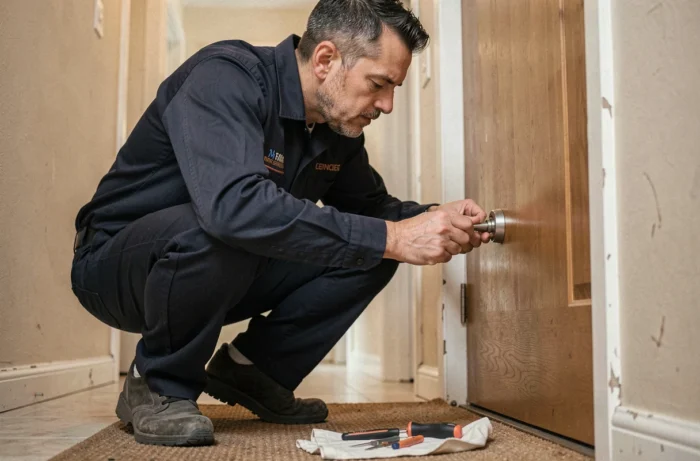
A locksmith emergency service refers to any technical intervention on a lock, cylinder, or door mechanism, carried out in response to an unexpected blockage. A slammed door, a key broken in the lock, an attempted break-in: these situations generate stress that leads one to accept the first offer that comes along. Feedback from industry experts and data from public inspections paint a mixed picture of these services, where the best coexists with frankly problematic practices.
Public inspections in locksmithing: a concerning rate of anomalies
Out of 548 professionals inspected, 350 did not comply with regulations. This ratio, derived from public inspections, means that the majority of the checked operators had at least one infraction.
These infractions are not limited to locksmithing. Home repair services as a whole (plumbing, locksmithing, glazing) receive the most reports. In locksmithing, the most common violations relate to the absence of quotes, charging for unnecessary parts, or surcharges applied without prior information.
This context explains why reading our review of Depanneo can help distinguish platforms that genuinely filter craftsmen from those that merely list numbers.
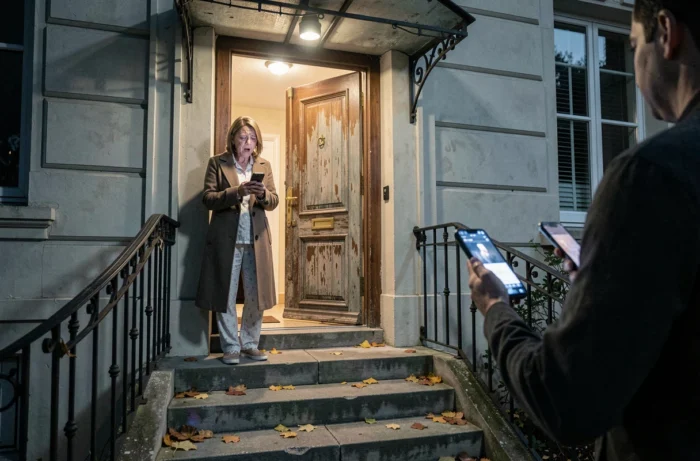
Quote obligation and right of withdrawal: what the regulations say
The decree of January 24, 2017, imposes a prior quote from the first euro for any home repair, including in emergency situations. A locksmith who begins to drill a cylinder without having provided a written document detailing the price of the intervention, the cost of parts, and travel expenses is violating this obligation.
This quote must mention whether the travel is free or chargeable, the hourly rate, and the total price of supplies including tax. The professional cannot condition the provision of the quote on the payment of a deposit.
Right of withdrawal in case of emergency
A common misconception is that urgency eliminates all rights of withdrawal. The legal framework actually distinguishes between two situations: the right of withdrawal is limited to strictly necessary work for the emergency. If a locksmith takes advantage of a door opening to replace the entire multipoint lock while only the cylinder was problematic, the non-urgent part of the work remains subject to the standard right of withdrawal.
The client can therefore contest the billing of any element that exceeds the resolution of the initial blockage. This point is rarely explained by the repairmen themselves.
Locksmith service rates: why no price is “official”
There is no national regulated rate in locksmithing. Prices are free, including surcharges for night, weekend, and holiday services. This lack of a ceiling creates frequent confusion between what is expensive and what is illegal.
A craftsman who charges a nighttime visit at double his daytime rate is not committing any infraction, provided he informed the client before the intervention. On the other hand, a price quoted over the phone and then inflated on the final bill without justification constitutes an abusive practice.
Guidelines for evaluating a locksmith quote
Without an official grid, a few elements allow for judging the consistency of a quote:
- A slammed door opening (keys inside, non-destructive technique) falls within a low range, as it requires neither drilling nor replacement of parts.
- An opening with standard cylinder replacement costs more, as the price of the supply is added to the labor.
- A high-security cylinder replacement (A2P certified type) represents the highest cost, as the part itself has a significant price.
- Travel expenses must be listed on a separate line of the quote, with the mileage or flat rate applied.
If the total amount significantly exceeds the price of a new cylinder plus one hour of labor, it is advisable to request a detailed breakdown before signing.
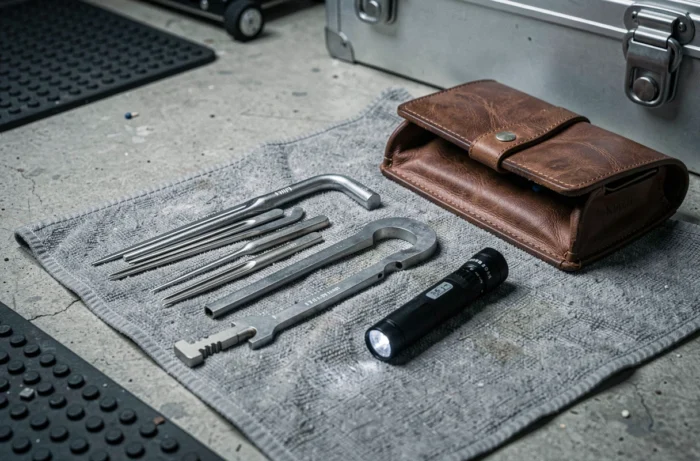
Identifying a reliable professional locksmith: technical criteria
Labels and certifications are often highlighted, but not all have the same value. A craftsman registered in the trades directory has a verifiable SIRET number and a ten-year insurance policy. This legal minimum already excludes a portion of the operators who appear at the top of sponsored results.
Beyond registration, locksmithing qualifications can be verified by the professional’s ability to precisely describe the technique he will use before touching the door. A competent repairman distinguishes a bypass opening from lock picking and knows whether drilling will be necessary just by examining the type of lock.
Concrete warning signs
- The locksmith refuses to give a price estimate over the phone, even an approximate one.
- He insists on immediate cash payment, without offering a credit card option.
- The intervention vehicle bears no identification (company name, phone number).
- The quote is presented after the intervention, rather than before the work begins.
These signals do not guarantee a scam, but their accumulation during a single intervention justifies refusing to sign and contacting another professional, or even having the situation documented.
Recourse in case of a dispute first involves amicably contesting the bill, relying on missing mandatory mentions or discrepancies between the signed quote and the final amount. If this approach fails, consumer mediation or the DGCCRF can be contacted. Keeping the quote, the invoice, and photos of the intervention remains the most protective reflex, regardless of the chosen provider.